
Vertical leaf filters play a vital role in various industrial filtration applications. Vertical leaf filters have multiple filter leaves with bags that capture solids while allowing liquids to pass through, with bag material affecting performance, efficiency, and lifespan.
What are Vertical Leaf Filter Bags?
Vertical leaf filters are a type of pressure filtration system where the liquid being filtered is forced through the filter bag under pressure. The filter bags are typically made of various materials, depending on the application, and are used to capture suspended solids in liquids. The leaves inside the filter unit are mounted vertically, providing a large surface area for filtration.
The filter bags play a critical role in this process, as they must balance multiple performance factors like chemical resistance, temperature tolerance, mechanical strength, and filtration efficiency.
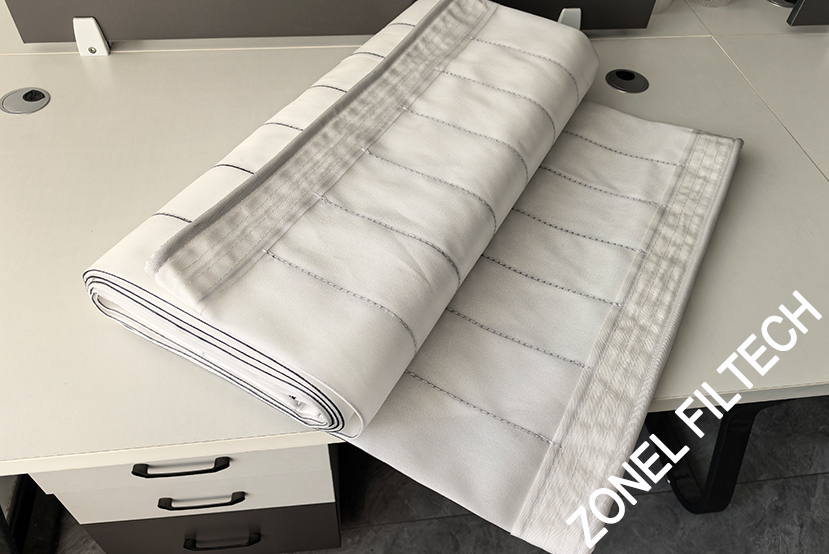
Key Materials Used in Vertical Leaf Filter Bags
Several materials are commonly used to manufacture vertical leaf filter bags, each with its unique characteristics suited to different filtration requirements. Below, we explore the most widely used materials and their respective advantages and limitations.
Polyester (PET)
Polyester is a widely used material for filter bags in vertical leaf filtration systems. It is chosen for its balance of cost-effectiveness, durability, and ease of use.
Advantages:
- Durability: Polyester resists wear, making it ideal for long-term industrial use.
- Chemical Resistance: It resists mild acids and alkalis, offering versatile industrial use.
- Cost-Effectiveness: Polyester is one of the more affordable options, which is particularly beneficial for high-volume filtration systems.
Limitations:
- Temperature Sensitivity: Polyester has a relatively low temperature tolerance compared to other materials. It is typically unsuitable for high-temperature processes.
- Limited Abrasion Resistance: While durable, polyester can wear down faster in abrasive environments, where the filtration medium contains hard particles.
Polypropylene (PP)
Polypropylene is another commonly used material for filter bags, particularly in industries where chemical resistance is crucial. It offers better corrosion and chemical resistance than polyester.
Advantages:
- Chemical Resistance: Polypropylene resists acids, bases, and solvents, making it perfect for chemical, pharmaceutical, and food industries.
- Temperature Tolerance: It has a higher temperature tolerance than polyester, which allows it to function in a wider range of applications.
- Good Mechanical Strength: While not as robust as some other materials, polypropylene maintains decent mechanical strength under typical filtration conditions.
Limitations:
- Lower Mechanical Strength: Although suitable for many applications, polypropylene can break down under mechanical stress, particularly in high-pressure environments.
- Less Abrasion-Resistant: Like polyester, polypropylene can wear down when exposed to abrasive particulates.
Nylon
Nylon is a versatile material for vertical leaf filter bags, offering high mechanical strength, abrasion resistance, and suitability for high-temperature, wear-prone applications.
Advantages:
- Superior Mechanical Strength: Nylon has excellent tensile strength, making it ideal for applications that require the bag to withstand high mechanical stress.
- Heat Resistance: Nylon can handle higher temperatures than both polyester and polypropylene, making it suitable for industries with more demanding filtration processes, such as automotive and industrial applications.
- Flexibility: Nylon offers good flexibility, which makes it easier to fit into the filtration system.
Limitations:
- Hydrolysis Sensitivity: Nylon is susceptible to hydrolysis, especially when exposed to water and high temperatures over time, which can reduce its lifespan.
- Higher Cost: Nylon is typically more expensive than polyester and polypropylene, which may not be ideal for high-volume filtration processes.
Polyphenylene Sulfide (PPS)
PPS is a high-performance polymer used in applications that require exceptional resistance to high temperatures and aggressive chemicals. It is most often found in specialized filtration systems that operate under harsh conditions.
Advantages:
- Excellent Thermal and Chemical Resistance: PPS can withstand very high temperatures (up to 260°C) and is resistant to a wide range of aggressive chemicals, making it ideal for high-performance filtration systems.
- Dimensional Stability: PPS retains its shape and performance over long periods, even under harsh filtration conditions.
Limitations:
- Higher Cost: PPS offers advanced properties but is more expensive, making it less cost-effective for standard uses.
- Limited Flexibility: PPS is less flexible than materials like nylon or polyester, which can make it more challenging to handle during installation and replacement.
Polytetrafluoroethylene (PTFE)
PTFE is used in specialized filtration systems that require materials capable of handling extreme conditions.
Advantages:
- Superior Chemical and Temperature Resistance: PTFE is the go-to material for applications that involve highly aggressive chemicals or extreme temperatures.
- Non-Stick Properties: PTFE’s non-stick surface reduces clogging, enhancing efficiency and cleaning.
- Durability: PTFE is highly durable and can withstand prolonged use without significant degradation.
Limitations:
- Cost: PTFE is one of the most expensive materials used in filter bag construction, which may not make it suitable for all filtration systems.
- Mechanical Strength: Although resistant to chemicals and heat, PTFE has lower mechanical strength compared to materials like nylon and polypropylene, making it prone to tearing under high-pressure conditions.
Fiberglass
Fiberglass filter bags offer excellent heat resistance, making them perfect for high-temperature filtration in power generation and metal processing applications.
Advantages:
- High Heat Resistance: Fiberglass is one of the most heat-resistant materials available, capable of withstanding temperatures up to 550°C.
- Strength and Durability: It offers strong mechanical properties, providing excellent performance in environments where other materials might fail.
Limitations:
- Brittleness: While strong, fiberglass is more brittle than synthetic fibers, making it susceptible to cracking under sudden impacts or stress.
- Higher Cost: Fiberglass filter bags are more expensive compared to other materials, limiting their use to high-end, specialized applications.
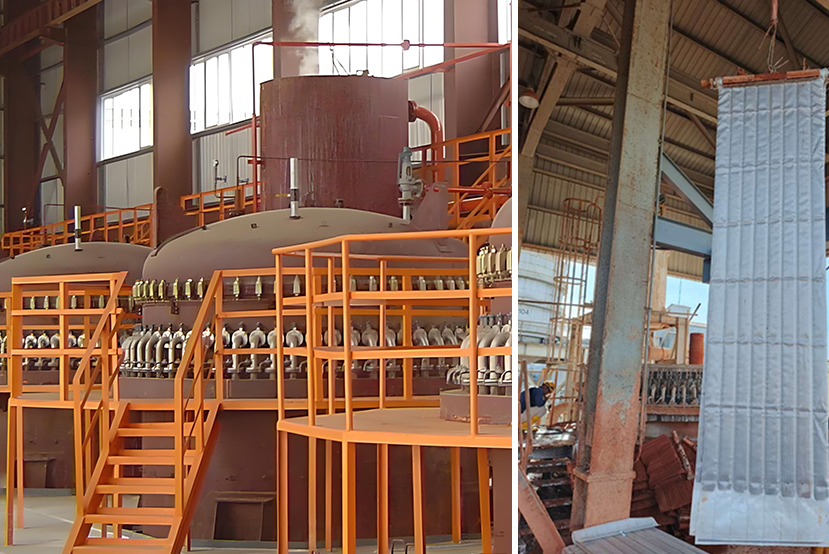
Performance Characteristics of Filter Bag Materials
The performance of filter bags in vertical leaf filters is influenced by several key factors, including chemical resistance, temperature tolerance, filtration efficiency, abrasion resistance, and mechanical strength. Here’s a performance breakdown of each material in key categories:
| Material | Chemical Resistance | Temperature Resistance | Abrasion Resistance | Filtration Efficiency | Mechanical Strength |
| Polyester (PET) | Moderate | Low to Moderate | Moderate | High | Moderate |
| Polypropylene (PP) | Excellent | Moderate | Moderate | High | Low |
| Nylon | Moderate to High | High | High | High | Very High |
| Polyphenylene Sulfide (PPS) | Excellent | Very High | Moderate | Very High | High |
| Polytetrafluoroethylene (PTFE) | Excellent | Very High | Low | Very High | Moderate |
| Fiberglass | High | Extremely High | High | Moderate | Very High |
Selecting Materials for Specific Applications
Selecting the right filter bag material for vertical leaf filters depends on fluid chemistry, temperature, and particulate characteristics. For example:
- Chemical Applications: If the filtration process involves aggressive chemicals, materials like polypropylene, PTFE, or PPS would be ideal due to their excellent chemical resistance.
- High-Temperature Applications: Fiberglass, PTFE, and PPS are best suited for high-temperature environments, ensuring the filter bags maintain their performance even under extreme conditions.
- Abrasion Resistance: For applications where abrasive particles are present in the fluid, nylon or fiberglass bags provide superior abrasion resistance, extending the lifespan of the filter bags.
Maintenance and Longevity of Different Materials
Filter bag longevity and performance depend on material durability, cleaning ease, and environmental conditions. Polyester and polypropylene bags are generally easier to clean, but they may not last as long under extreme conditions. On the other hand, materials like nylon, PTFE, and fiberglass offer better durability but may require more care during cleaning.
Conclusion
The material used in vertical leaf filter bags plays a critical role in the efficiency and longevity of the filtration system. Choosing the right material depends on several factors, including chemical exposure, temperature tolerance, and the nature of the particles being filtered. By understanding the strengths and limitations of materials like polyester, polypropylene, nylon, PPS, PTFE, and fiberglass, manufacturers can select the optimal filter bag material to meet the demands of their specific applications, ensuring both performance and cost-effectiveness.