
Filter press costs include equipment, supporting systems, installation, and recurring expenses. Press type, automation, sludge properties, and operating schedule determine how these costs are distributed.
To compare alternatives, calculate installed capital expenditure separately from operating cost per dry tonne. The illustrative U.S. budget below uses assumptions dated October 2026, not actual quotations or surveyed market prices.
What Affects the Initial Cost of a Filter Press?
Press Type, Size, and Sludge Requirements
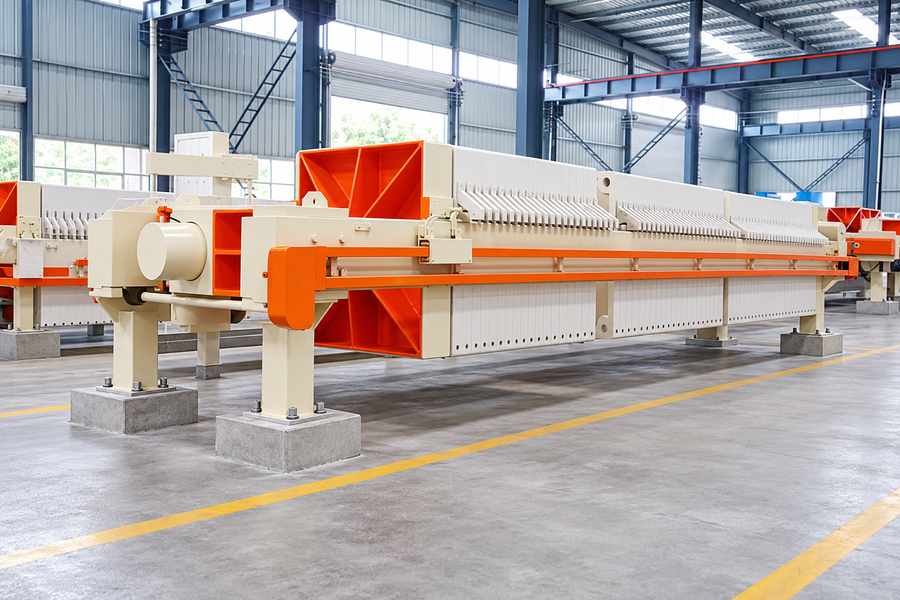
A chamber press and a membrane press have different mechanical arrangements. Membrane squeezing adds equipment and operating steps, so each configuration needs a separate, defined scope.
Plate dimensions, plate quantity, filtration area, and materials affect equipment selection. Required capacity also depends on sludge solids concentration, filtration behavior, cake discharge, and available operating hours.
Specify throughput in dry solids rather than relying only on incoming sludge volume. Representative filtration tests help determine a workable plate arrangement without assuming a universal processing rate.
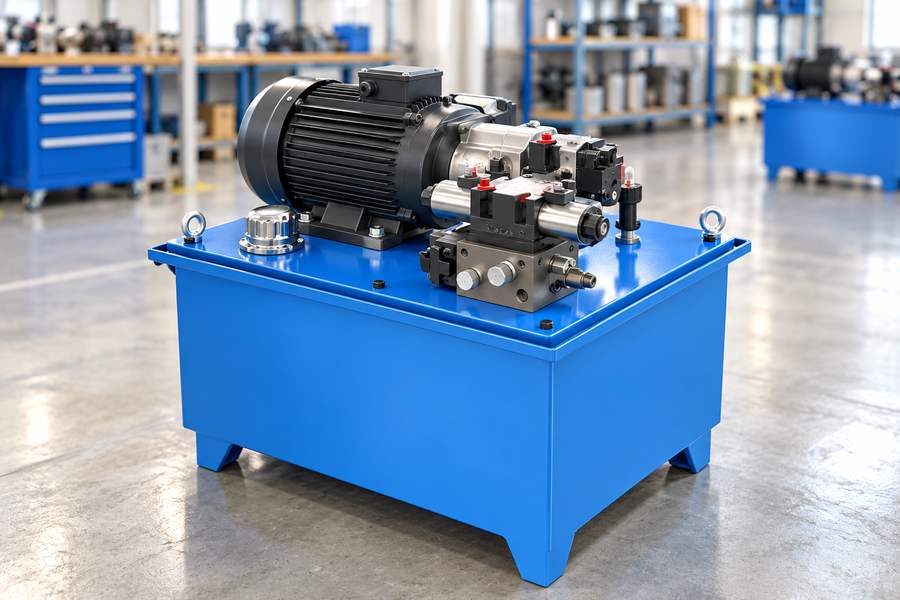
The feed pump should match slurry characteristics and required filling behavior. Slurry feed pressure and hydraulic closure pressure perform different functions and must not be confused.
Automation and Included Components
Zonel Filtech offers chamber and membrane filter presses, together with filter cloths, plates, hydraulic systems, and configurable automation, including automatic plate shifting where specified.
Automatic plate handling can change operator tasks and equipment complexity. The quotation should distinguish standard components, selected options, and any site equipment outside the supplier’s package.
Supporting systems may include feed pumps, valves, conditioning equipment, filtrate drainage, and cake conveyors. Confirm whether each item is supplied, purchased separately, or already installed.
How Much Does Installation and Commissioning Cost?
Mechanical and Electrical Work
Installation scope starts with unloading, positioning, alignment, and anchoring. Mechanical work connects slurry feed lines, filtrate outlets, drainage, and any specified cake-handling equipment.
Electrical contractors may need to install power connections, instrumentation, controls wiring, and interfaces with existing plant systems. Access restrictions and shutdown windows can change labor requirements.
Integration plans should identify instrument locations, isolation points, drainage routing, and maintenance clearances. An inexpensive equipment package can still require substantial site modifications.
Commissioning and Training
Commissioning should cover mechanical inspections, hydraulic function checks, electrical verification, and leak testing. Trials using representative sludge then check operation under agreed process conditions.
Operator handover should address normal cycles, discharge procedures, cleaning, maintenance access, and fault response. Specify which commissioning activities and training sessions the purchase agreement includes.
Exclusions to Check
A simplified installation estimate may exclude sales and use taxes, freight, civil works, foundations, permits, building changes, and separately contracted infrastructure. List these outside the quoted scope.
What Is an Illustrative Installed Filter Press Budget?
Hypothetical U.S. Project Assumptions
The following figures are editorial assumptions dated October 2026 for a hypothetical industrial sludge installation in the United States. They are not quotations, supplier prices, market observations, or guaranteed performance.
Assume treatment of 2 dry metric tonnes per operating day, across 250 operating days annually. This gives 500 dry tonnes per year, with a 10-year simplified capital allocation period.
Hypothetical Capital and Installation Costs
| Budget component | Illustrative USD |
| Filter press package and specified controls | $100,000 |
| Feed pumps, piping, and instrumentation | $25,000 |
| Filtrate and cake-handling allowances | $15,000 |
| Mechanical and electrical installation | $35,000 |
| Commissioning and training | $10,000 |
| Project contingency | $15,000 |
| Total defined-scope installed budget | $200,000 |
This hypothetical $200,000 covers only the listed scope. Taxes, freight, civil works, permits, and additional site infrastructure remain excluded and require separate estimates.
The contingency is an editorial budget allowance, not a prediction of unexpected charges. Site assessments must establish whether the assumed mechanical and electrical scope is adequate.
Simple Capital Allocation per Dry Tonne
For this hypothetical operating basis, annual throughput equals 2 × 250 = 500 dry tonnes. Across ten years, assumed cumulative throughput equals 5,000 dry tonnes.
Dividing the hypothetical $200,000 capital budget by 5,000 dry tonnes gives $40 per dry tonne. This is an undiscounted allocation, not an annual operating expense.
Actual project economics should account for financing, asset life, residual value, replacements, and throughput variability. None of those adjustments is included in this simple calculation.
What Does a Filter Press Cost to Operate per Dry Tonne?
Recurring Expense Categories
Operating cost should reflect the entire defined dewatering process, not only the press motor. Distinguish directly metered consumption from estimates obtained through operating logs.
Labor calculations should cover complete cycles, including stuck-cake removal, cloth inspection, and unexpected cleaning, rather than counting only the time that filtration occurs.
- Electricity: Feed pumping, hydraulic operation, controls, and included auxiliary equipment.
- Labor: Monitoring, cake discharge, inspections, cleaning, and routine intervention.
- Filter cloth: Inspection, washing, and replacement based on observed service conditions.
- Maintenance: Mechanical, hydraulic, electrical, and instrumentation work, including parts.
- Water and effluent: Cleaning water and the handling of resulting wastewater.
- Conditioning chemicals: Polymer or other reagents used when representative testing justifies them.
Cloth selection affects cleaning frequency, filtration behavior, and sealing. For certain applications, Zonel Filtech describes rubber edge-coated filter press cloth; suitability depends on the plate interface, slurry, and sealing requirements.
Hypothetical Annual Operating Budget
For the same fictional installation, use the following editorial operating assumptions dated October 2026. Electricity use, wage rate, labor hours, and allowances are invented calculation inputs, not measured or market-average values.
| Operating expense | Hypothetical annual USD |
| Electricity: 24,000 kWh × $0.15/kWh | $3,600 |
| Labor: 500 hours × $35/hour | $17,500 |
| Filter cloth and other consumables | $5,000 |
| Routine maintenance | $6,000 |
| Cleaning water and effluent handling | $2,000 |
| Conditioning chemicals | $7,500 |
| Total annual operating cost | $41,600 |
The hypothetical annual total is $41,600. To apply this model at a real plant, substitute measured utility consumption, staffed hours, chemical dosing, maintenance records, and actual charges.
Calculating Cost per Dry Tonne
Dry solids throughput measures the mass of dry material entering dewatering. Calculate it using representative feed flow and solids concentration, then reconcile the result with operating records.
For the hypothetical example, $41,600 ÷ 500 dry tonnes = $83.20 per dry tonne in operating expenses. Adding the separate $40 capital allocation yields $123.20 per dry tonne.
The combined figure is not a treatment quotation or complete lifecycle cost. It excludes taxes, freight, civil works, permits, financing, offsite cake transport and disposal, and unbudgeted infrastructure.
Actual utilization changes the denominator: fewer operating days or interruptions reduce annual dry tonnes, while some labor and maintenance expenses remain relatively fixed.
How Do Press Configuration and Automation Affect Long-Term Costs?
Chamber Versus Membrane Operation
A chamber press relies on the selected filtration cycle and feed conditions to form cake. Analyze feed pumping, cycle completion, operator intervention, and cleaning requirements together.
A membrane press may add squeezing after filtration, where appropriately equipped. Its additional hardware, utilities, inspection needs, and operating sequence must be included in any cost comparison.
Changes in cake moisture could alter haulage or disposal costs, but neither the savings nor the cycle-time effect should be assumed. Test actual sludge and discharge conditions.
Record filtrate recovery and solids capture for both configurations. Improved cake dryness cannot justify a process that fails the plant’s specified filtrate or discharge requirements.
Automation Versus Manual Tasks
Automatic plate shifting can reduce some manual handling tasks while adding controls and maintenance points. Assess full-cycle labor, exception recovery, cleaning access, and operator coverage.
Hold annual dry-solids duty fixed, and require each proposal to meet identical cake and liquid-discharge specifications. Equipment purchase price alone does not establish the lower-cost configuration.
How Should Buyers Verify and Control Total Costs?
Test the Actual Sludge
Before confirming equipment size, test sludge representing ordinary operation and expected variability. Record the feed solids, conditioning dose, filtrate properties, and each stage of the cycle.
- Dry solids per complete cycle: Include filling, filtration, optional squeezing, opening, discharge, and cleaning.
- Cake solids: Measure representative discharged material rather than relying on an isolated sample.
- Filtrate quality: Check suspended solids or other required discharge criteria alongside cake dryness.
- Resource use: Record energy, water, conditioning chemicals, cloth maintenance, and labor demand.
A shorter filtration step is not automatically economical if discharge interruptions, poor solids capture, or excessive conditioning increase total process costs.
Cake handling may also determine whether the proposed press meets the operating schedule. Observe plate-opening delays, chute restrictions, and access needed for washdown.
Compare Equivalent Project Boundaries
Use consistent dry-tonne throughput, shift coverage, utility prices, and test conditions when evaluating options. Keep initial investment separate from recurring expenditure and document all exclusions.
For a broader project decision, model offsite cake disposal, site works, financing, replacement parts, and utilization sensitivity. Higher annual throughput can spread fixed costs differently.
Confirm the Scope with Zonel Filtech
Request an itemized configuration covering press type, plates, cloth, hydraulics, automation options, utilities, installation responsibilities, and spare parts. Identify what existing facilities must provide.
Seek separate totals for supplier-delivered equipment and installer-provided works. That division makes bid comparisons clearer and reduces avoidable disagreements when commissioning reveals an omitted interface.
The final purchasing basis should contain representative test results, agreed acceptance criteria, an installed-scope estimate, and a site-specific operating model with traceable assumptions.