
Evaluate candle filter product recovery by accounting for valuable material in the feed, accepted filtrate, recycle streams, cake, retained liquid, and remaining equipment inventory. Compare amounts of the valuable component rather than adding liquid volumes with different concentrations. A batch mass balance reveals where recovery is being lost and whether a proposed recovery step produces usable product or merely a larger volume of dilute liquid.
Which Product Is Being Recovered?
Define the valuable component first. In one process it may remain in the filtrate; in another, the retained solids are the product. A recovery percentage without that definition is ambiguous.
State the reporting basis and the point at which material becomes accepted product. Filtrate sent to a holding tank may still require testing or further processing. Counting it as recovered product before that decision can overstate the result.
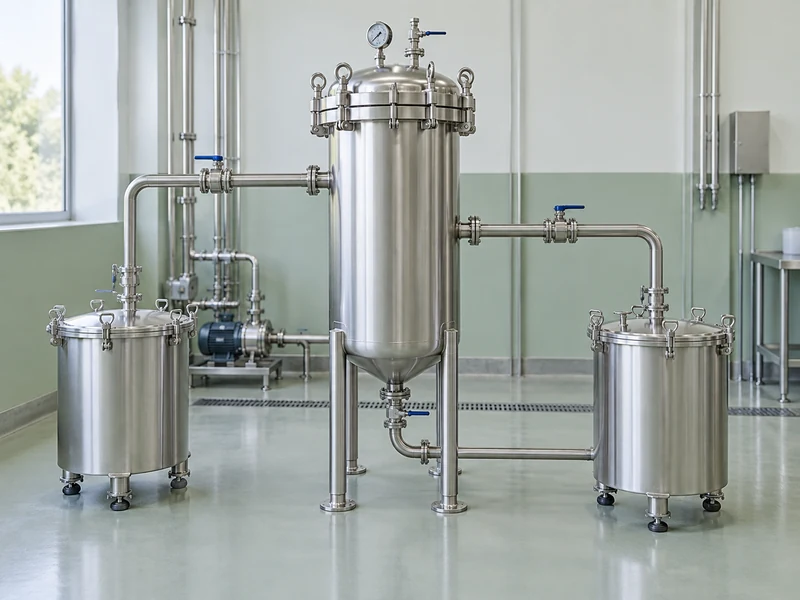
Zonel Filtech’s candle filter housing and sleeve arrangement describes a batch sequence that can include initial filtrate recycling, filtration, washing, and cake discharge. The exact available steps depend on the proposed configuration. Build the balance around the actual sequence rather than assuming every installation performs all of them.
Where Should the Balance Boundary Be Drawn?
Draw a boundary around the equipment and tanks needed to answer the recovery question. Include every stream crossing it and identify material already present at the beginning. A balance around the filter alone is different from a balance around the complete batch recovery system.
If a recycle tank sits outside the boundary, record transfers into and out of that tank. If it sits inside, avoid counting the internal transfer as a new input. Double counting recycle is a common way to create an impossible recovery result.
The EPA description of material-balance principles emphasizes defining the system boundary and accounting for entering and leaving streams. That general method supports the accounting approach here. It does not supply a recovery guarantee for a candle filter.
Which Streams Are Easy to Miss?
List startup recycle, sample withdrawals, wash fractions, drain liquid, cake-associated liquid, and residual inventory in pipes or vessels. Small streams can matter when the product is valuable or the batch is small. Their importance should be assessed rather than assumed negligible.
Include any liquid added for displacement or washing. It changes the total mass and may change concentration without adding valuable product. A larger receiver volume after washing does not by itself demonstrate better product recovery.
Record the disposition of each stream. Material returned to the next batch, retained for rework, or sent to waste has a different status from accepted product. Keep those categories visible even when all material remains inside the plant.
Should the Balance Use Mass or Volume?
Mass is often a clearer basis when liquids differ in composition or temperature, but the available measurement system may begin with volume. If volume is used, apply an appropriate density on a consistent temperature and composition basis. Do not add unlike volumes and call the result a product balance.
For the valuable component, combine each stream quantity with its measured concentration. Keep units explicit. A concentration reported as mass per volume requires a different conversion from a mass fraction.
When concentration varies during a transfer, a single grab sample may be inadequate. Use a sampling approach that represents the transferred material, such as appropriately designed fractions or composites where suitable. The method should reflect the variability of the actual stream.
| Stream or Inventory | Quantity Needed | Status in the Balance |
| Feed | Total amount and product concentration | Valuable material entering |
| Accepted filtrate | Amount and verified concentration | Recovered product |
| Recycle and wash fractions | Separate amounts and concentrations | Pending recovery or other disposition |
| Cake and retained liquid | Representative component assay | Potential loss or recovered solid product |
| Starting and ending inventory | Amount within the boundary | Corrects the batch accounting period |
How Is the Recovery Percentage Calculated?
For a defined product component, divide its amount in accepted recovered product by its amount available to the batch, using a consistent treatment of starting inventory. Multiply by 100 to express a percentage. State exactly which streams are included in the numerator and denominator.
Consider an illustrative batch containing 100 kg of the valuable component. If 94 kg reaches accepted product, 3 kg remains in a recoverable side stream, and 2 kg is measured in cake or drain losses, 1 kg remains unaccounted for. The accepted recovery is 94%, not 97%, unless the side stream is subsequently recovered and accepted within the stated accounting scope.
The unaccounted amount is a balance gap, not automatically a physical loss. It may reflect sampling, measurement, inventory, or an omitted stream. Investigate it before assigning the difference to equipment retention.
How Can Retained Liquid Be Assessed?
Distinguish geometric hold-up from the product-bearing liquid actually remaining at the end of the cycle. Liquid can remain within the vessel, lines, cake, and sleeve assembly. Its concentration may differ from the original feed after washing or displacement.
Use measurements or an approved characterization procedure suitable for the equipment. Do not infer retained product solely from nominal vessel volume. A design drawing can support an estimate, but the actual operating sequence determines what remains.
When discussing candle filter sleeves, provide the relevant cake and recovery observations. Sleeve fit and condition may influence the cycle, but a sleeve change cannot be assumed to remove all retained liquid. The complete flow path needs consideration.
How Should Recovery Steps Be Compared?
Compare the additional accepted product obtained against the added wash liquid, processing time, and downstream work. A recovery step that produces dilute material may shift the burden to another operation. Evaluate that consequence within the chosen boundary or report it separately.
Keep quality criteria unchanged across the comparison. A stream that fails the product specification cannot be counted as accepted recovery simply because it contains valuable material. Track it as a potential rework or recycle stream until its disposition is known.
The site’s discussion of batch versus continuous filtration helps frame the operating mode. This balance focuses specifically on transfers and inventories within a batch. It does not assume that a different operating mode will automatically improve yield.
What If the Balance Does Not Close?
Check units, instrument calibration, sampling representativeness, and the timing of inventory measurements first. Confirm that the batch start and end points are consistent. An unnoticed transfer across the boundary can create a gap even when every individual meter works correctly.
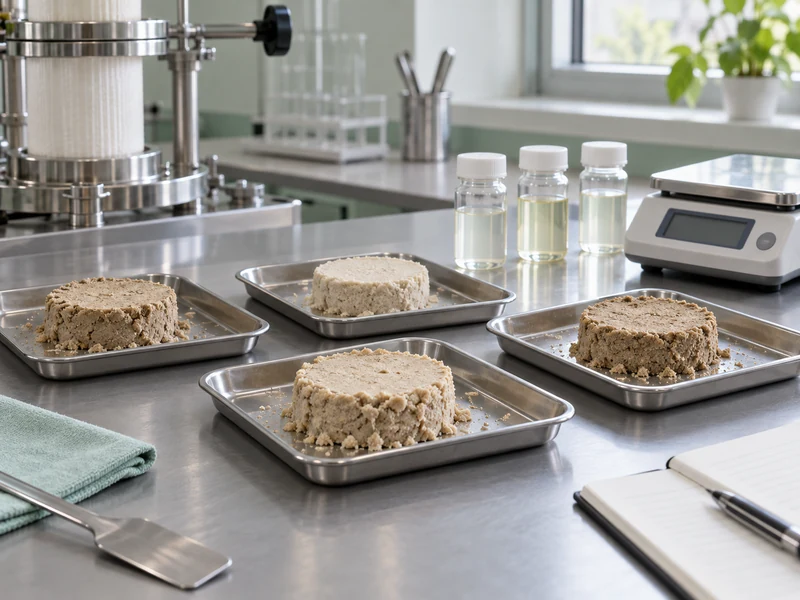
Review whether cake composition and retained liquid were sampled representatively. A small surface sample may not describe the full cake. Also check whether a concentration result was applied to a stream whose composition changed during collection.
Set an acceptable balance-closure criterion based on the measurement system and decision being made. Do not force closure by adjusting one stream without evidence. A reported uncertainty is more useful than a fabricated exact balance.
How Is Recovery Different from Cleaning Performance?
Recovery concerns where the valuable material goes, while cleaning concerns preparing the equipment for continued operation. Some steps can contribute to both, but their acceptance criteria differ. A clean-looking sleeve does not prove that the recovered liquid meets product requirements.
The site’s comparison of backwash and manual candle filter cleaning addresses cleaning methods. Keep that procedure reference separate from the product-recovery calculation. This prevents a cleaning change from being reported as a yield improvement without the necessary evidence.
Likewise, the article on candle sleeves and product purity provides a quality context. A mass balance should incorporate the applicable quality decision, not substitute quantity for purity.
How Can Consecutive Batches Be Compared?
Use the same accounting boundary and inventory convention across consecutive batches. Material carried forward from one batch becomes starting inventory for the next, so inconsistent treatment can shift an apparent loss between periods. Review a sequence of balances when carryover is significant.
Keep batch-specific feed composition and product disposition visible. A higher recovery percentage on a different feed may not reflect an equipment improvement. Matched operating records allow the team to distinguish changes in the cycle from changes in the material being processed.
What Should the Batch Review Deliver?
Provide a flow sketch, stream table, component balance, closure assessment, and clear product disposition. For every quantity in the stream table, identify the instrument or laboratory record behind it, and flag any entry derived from an assumption so the reviewer can assess its uncertainty. Include the assumptions needed to reproduce the calculation.
Rank potential improvements by the amount of recoverable value supported by the evidence. A large uncertain balance gap may justify better measurement before equipment modification. A repeatable measured loss in one stream may justify a targeted recovery trial.
Send Zonel Filtech the relevant cycle description, sleeve configuration, and stream data when requesting technical support. A well-defined balance makes the discussion specific: which material remains, where it remains, and what quality is required after recovery. That is the foundation for a useful improvement trial.