
A cement trailer air slide hose plays an important role in dry bulk cement unloading. When it becomes cracked, clogged, stiff, leaking, or inefficient, the entire discharge system can be affected.
Key signs that the hose needs replacement include slower unloading, air leakage, uneven air distribution, visible damage, frequent blockages, increased pressure demand, and repeated repair needs.
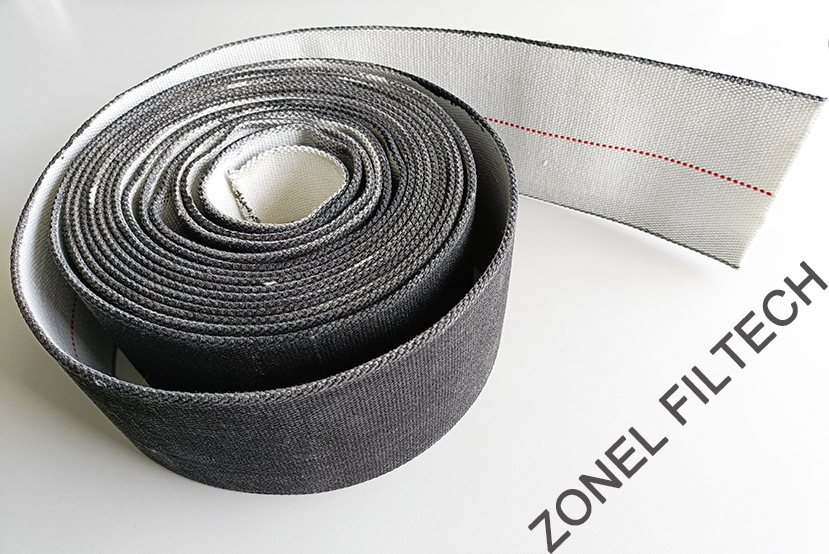
What Is a Cement Trailer Air Slide Hose?
A cement trailer air slide hose is used in pneumatic discharge systems for dry bulk trailers. It allows compressed air to pass through the fluidizing system, helping powder materials become flowable.
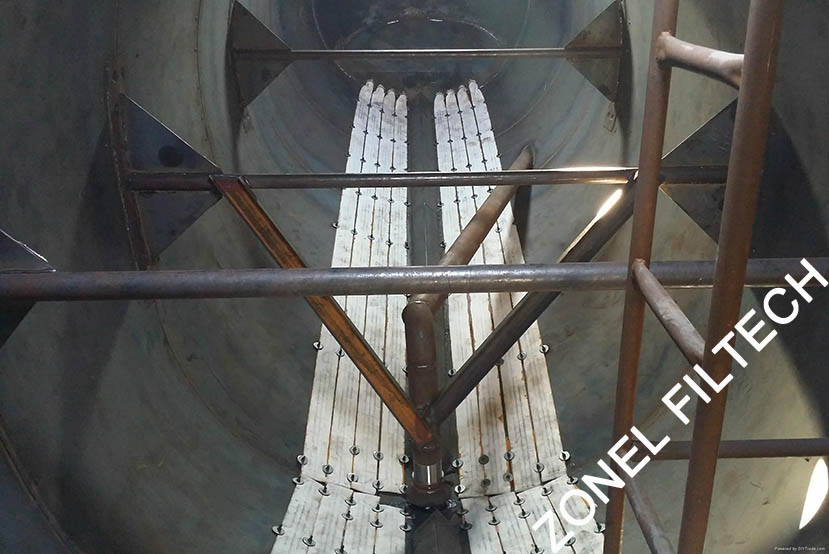
In many cement trailers, the hose is connected to air pads, air chambers, or fluidizing sections. When air passes through the hose and into the trailer bottom, it reduces material friction and helps cement move toward the discharge outlet.
A good air slide hose should offer:
- Strong air permeability
- Stable pressure resistance
- Good abrasion resistance
- Heat and moisture resistance
- Flexible installation
- Long service life under vibration and repeated use
When any of these properties decline, replacement should be considered.
Slower Cement Unloading Speed
One of the most common signs of hose failure is slower unloading. If the trailer takes longer than usual to discharge cement, the air slide hose may no longer be delivering air evenly.
This can happen when the hose is blocked, worn, collapsed, or losing air pressure. Cement powder may not fluidize properly, causing uneven flow inside the tank.
Common symptoms include:
- Longer unloading time
- Uneven cement flow
- Frequent discharge interruption
- More pressure needed to unload
- Cement remaining inside the trailer after unloading
If operators need to increase air pressure or spend extra time cleaning the trailer after discharge, the hose should be inspected.
Visible Cracks, Tears, or Surface Wear
Visible damage often indicates the hose needs inspection. Over time, the hose surface may crack due to repeated bending, aging, vibration, or environmental exposure.
Even minor cracks may expand when the hose is under pressure. Once the hose loses structural strength, it may leak air or fail during unloading.
| Visible Hose Condition | Possible Cause | Recommended Action |
| Small surface cracks | Aging, weather exposure, repeated bending | Inspect closely and plan replacement |
| Deep cracks or splits | Material fatigue or high pressure | Replace immediately |
| Frayed fabric layers | Abrasion or poor installation | Replace and check mounting position |
| Deformed hose body | Heat, pressure, or compression damage | Replace before operation |
| Holes or punctures | Mechanical damage or material wear | Stop use and replace |
A damaged hose should not be ignored, especially if the trailer operates daily or carries high-value bulk materials.
Air Leakage During Operation
Air leakage is a serious sign that the hose may need replacement. If compressed air escapes before reaching the fluidizing area, the unloading system loses efficiency.
Operators may notice:
- Hissing sounds near the hose
- Lower air pressure than normal
- Weak fluidization inside the tank
- Compressor working harder
- Dust leakage around connections
Air leakage not only slows unloading but also increases energy consumption. In severe cases, it can prevent cement from moving smoothly through the discharge system.
Uneven Air Distribution
A healthy air slide hose should support consistent air delivery. If some areas of the trailer fluidize well while others remain blocked, the hose may be partially clogged or damaged internally.
Uneven air distribution can cause cement to bridge, compact, or stay trapped in certain sections of the trailer.
This problem may appear as:
- Cement flowing strongly at first, then slowing down
- Material sticking near the trailer bottom
- Sudden pressure fluctuations
- Repeated blockages during discharge
- Incomplete unloading
If cleaning does not solve the problem, the hose may have internal wear or blockage and should be replaced.
Hose Becomes Hard, Brittle, or Deformed
A good air slide hose needs flexibility. If it becomes too hard, brittle, or permanently deformed, it may no longer handle vibration and pressure changes properly.
This often happens after long-term use, especially when the hose is exposed to heat, sunlight, moisture, oil, or chemical contamination.
| Hose Feel or Shape | What It May Indicate |
| Hard and stiff | Aging or material degradation |
| Brittle surface | Heat or UV damage |
| Flattened sections | Compression or internal collapse |
| Swollen areas | Moisture, chemical, or pressure damage |
| Permanent bends | Poor routing or fatigue |
Once the hose loses flexibility, it becomes more likely to crack, leak, or fail during unloading.
Frequent Blockages in the Discharge System
If the cement trailer often experiences material blockages, the air slide hose may be part of the problem. A worn or clogged hose cannot provide enough air to keep cement loose and mobile.
Blockages may also be caused by moisture, poor compressor performance, or material quality. However, if other parts of the system are working normally, the hose should be checked.
Replacing the hose may help restore stable airflow and reduce repeated discharge problems.
Higher Air Pressure Is Needed Than Before
When operators need to use higher pressure to achieve the same unloading result, it may mean the air slide hose is losing efficiency.
This can be caused by:
- Internal clogging
- Air leakage
- Reduced permeability
- Hose collapse
- Damaged connections
- Material buildup inside the hose
Using excessive pressure may damage other trailer components. Instead of forcing the system to work harder, inspect the hose and replace it if necessary.
Increased Dust Around the Trailer
Dust leakage near the hose, joints, or discharge area may indicate poor sealing or air leakage. Cement dust is not only messy but can also create safety, maintenance, and environmental concerns.
If dust appears around hose connections, check whether the hose end is worn, loose, cracked, or poorly clamped.
A replacement hose with proper sealing can help reduce dust release and improve unloading cleanliness.
Repeated Repairs No Longer Work
Temporary repairs may help in emergencies, but they are not a long-term solution. If the hose needs frequent patching, tightening, or adjustment, replacement is usually more cost-effective.
Repeated repairs can increase:
- Downtime
- Labor costs
- Delivery delays
- Risk of unloading failure
- Damage to nearby components
For cement trailer fleets, planned replacement is usually safer than waiting for a hose to fail during delivery.
The Hose Has Reached Its Service Life
Even a usable-looking hose may need replacement after extended operation. Service life depends on material quality, working pressure, unloading frequency, maintenance, and operating environment.
A trailer used daily for cement transportation will wear hoses faster than a trailer used occasionally.
| Operating Condition | Replacement Risk Level | Inspection Advice |
| Daily cement hauling | High | Inspect frequently and replace preventively |
| Hot or dusty environment | Medium to high | Check for cracking and stiffness |
| Frequent long-distance transport | Medium | Check vibration and joint wear |
| Occasional use | Low to medium | Inspect before each operation |
| Repeated clogging history | High | Replace if cleaning does not restore airflow |
Keeping replacement records helps operators predict hose life and avoid unexpected failures.
How to Inspect a Cement Trailer Air Slide Hose
Regular inspections help detect hose problems before they cause downtime.Basic inspection checklist:
- Check the hose surface for cracks, holes, or fraying.
- Listen for air leakage during operation.
- Monitor unloading time and airflow stability.
- Check hose flexibility by gently bending it.
- Inspect connections, clamps, and sealing points.
- Look for dust leakage around the hose area.
- Compare current unloading performance with normal operation.
If multiple warning signs appear at the same time, replacement is strongly recommended.
Why Timely Replacement Matters
Replacing a worn hose is essential for reliable cement trailer operation. It directly affects unloading performance, safety, and operating cost.
Timely replacement can help:
- Improve unloading efficiency
- Reduce compressor workload
- Prevent delivery delays
- Lower dust leakage
- Avoid sudden hose failure
- Protect the trailer’s fluidizing system
- Reduce long-term maintenance costs
For transport companies, stable unloading performance also improves customer satisfaction because cement can be delivered and discharged on schedule.
Tips for Choosing a Replacement Air Slide Hose
When selecting a new hose, consider more than just size. The hose should match the trailer system and the material being transported.
Important factors include:
- Correct diameter and length
- Suitable working pressure
- Good air permeability
- Abrasion-resistant structure
- Strong sealing performance
- Resistance to heat and moisture
- Compatibility with cement, fly ash, lime, and other powders
- Reliable supplier quality control
Using a low-quality hose may reduce initial cost, but it can lead to more frequent replacement and higher downtime costs.
Regular inspection and timely replacement help keep cement trailers working efficiently, reduce downtime, and protect the pneumatic unloading system. For fleet operators and cement transport businesses, a reliable air slide hose is a small component that makes a big difference in daily operation.