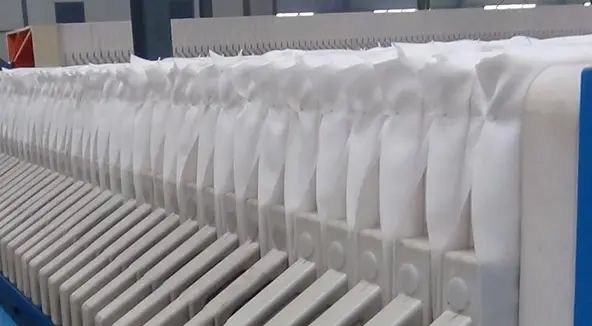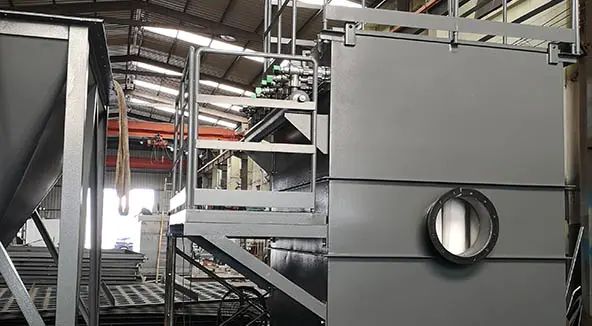
When dust collector filter bags become blocked, airflow decreases, pressure drop rises, cleaning becomes less effective, and the entire dust collection system may lose efficiency. In serious cases, the system may shut down, energy consumption may increase, and filter bags may need to be replaced earlier than expected.
For industries such as cement, steel, woodworking, food processing, chemical production, asphalt mixing, mining, and metal processing, preventing filter bag blocking is important for stable production and long-term operating cost control.

Table of Contents
ToggleWhat Is Dust Collector Filter Bag Blocking?
Dust collector filter bag blocking means dust, moisture, oil mist, sticky particles, or chemical deposits accumulate on or inside the filter media and cannot be removed effectively by the cleaning system.
Normally, a thin dust cake forms on the surface of the filter bag. This dust cake helps improve filtration efficiency. However, when the dust cake becomes too thick, too sticky, or too difficult to remove, the filter bag becomes blocked.
Blocked filter bags usually cause:
- Higher differential pressure
- Lower suction power
- Poor dust collection efficiency
- Increased fan energy consumption
- Frequent pulse cleaning
- Shorter filter bag service life
- Dust leakage or system shutdown
Common Causes of Filter Bag Blocking
Filter bag blocking is usually not caused by one single factor. It often results from poor dust characteristics, unsuitable filter media, high moisture, incorrect air-to-cloth ratio, or improper maintenance.
Main Causes of Dust Collector Filter Bag Blocking
| Cause | What Happens | Common Result |
| High moisture in gas | Dust becomes sticky and hard to clean | Filter bag surface blinding |
| Wrong filter media | Fabric cannot match dust or temperature conditions | Fast clogging and poor airflow |
| Too high air-to-cloth ratio | Too much airflow passes through the filter area | Dust penetrates deeper into fabric |
| Weak pulse cleaning | Dust cake cannot be removed effectively | Rising pressure drop |
| Oil or tar in dust | Sticky substances attach to fabric surface | Permanent blockage |
| Low operating temperature | Moisture condenses on filter bags | Wet dust cake formation |
| Poor pre-coating | Fine dust enters filter media directly | Deep media blockage |
| Long maintenance intervals | Dust builds up continuously | Shortened bag life |
Choose the Right Filter Bag Material
The first step in preventing filter bag blocking is selecting the correct filter media. Different industries produce different dust types, temperatures, gas compositions, and moisture levels. A filter bag that works well in a woodworking plant may not be suitable for a cement kiln or chemical plant.
Common filter bag materials include polyester, polypropylene, acrylic, PPS, aramid, PTFE, fiberglass, and P84. Each material has its own temperature resistance, chemical resistance, moisture performance, and filtration characteristics.
For dry and normal-temperature dust, polyester filter bags are widely used. For high-temperature or corrosive working conditions, aramid, PPS, fiberglass, or PTFE filter bags may be better choices.
If the dust is fine, sticky, oily, or moisture-sensitive, surface-treated filter bags may be needed. Options include PTFE membrane, singeing, calendaring, oil and water repellent treatment, or anti-static treatment.
Control Moisture and Avoid Condensation
Moisture is one of the most common reasons for filter bag blocking. When hot gas cools below the dew point, water vapor condenses on the filter bags. Dust particles then mix with moisture and form a sticky layer on the bag surface.
This sticky dust cake is difficult to remove by pulse cleaning. Over time, it blocks the filter media and causes high pressure drop.
To reduce moisture-related blocking:
- Keep inlet gas temperature above the dew point
- Insulate dust collector housing and pipelines
- Avoid cold air leakage into the system
- Preheat the dust collector before startup when needed
- Prevent wet material from entering the system
- Use water-repellent filter media in humid conditions
In cement, lime, biomass, asphalt, and drying processes, temperature and moisture control are especially important.
Set a Proper Air-to-Cloth Ratio
Air-to-cloth ratio is the airflow load on each unit area of filter media. A high air-to-cloth ratio drives dust deep into fabric, making cleaning harder and increasing blockage risk.
A proper air-to-cloth ratio depends on dust type, dust concentration, particle size, filter bag material, and cleaning method.
Reference Air-to-Cloth Ratio by Dust Type
| Dust Type | Suggested Air-to-Cloth Ratio | Blocking Risk |
| Coarse dry dust | 1.5–2.5 m/min | Low |
| General industrial dust | 1.0–1.8 m/min | Medium |
| Fine powder dust | 0.8–1.2 m/min | Medium to high |
| Sticky or humid dust | 0.6–1.0 m/min | High |
| High-temperature dust | 0.8–1.5 m/min | Depends on media |
| Chemical or oily dust | 0.5–1.0 m/min | High |
These values are only general references. For real projects, the dust collector design should be based on actual dust properties and working conditions.
Improve Pulse Jet Cleaning Performance
Pulse jet cleaning removes dust cake from the filter bag surface. If the pulse cleaning system is weak or unstable, dust will remain on the bag and gradually block the filter media.
Common pulse cleaning problems include low compressed air pressure, blocked pulse valves, damaged diaphragms, incorrect pulse interval, poor nozzle alignment, and moisture in compressed air.
To improve pulse cleaning performance:
- Keep compressed air pressure stable
- Check pulse valves and diaphragms regularly
- Drain water from compressed air lines
- Ensure blow pipes are aligned with filter bag openings
- Adjust pulse interval according to pressure drop
- Avoid excessive pulse cleaning that damages filter bags
A good cleaning system should remove dust effectively without over-cleaning the bags.
Use Surface Treatment or Membrane Filter Bags
For fine dust, sticky dust, or moisture-sensitive dust, standard needle felt filter bags may not be enough. Surface-treated filter bags reduce deep dust penetration and improve cleaning efficiency.
Common surface treatments include:
- Singeing:Removes surface fibers and creates a smoother surface.
- Calendaring:Presses the fabric surface to reduce dust penetration.
- PTFE membrane:Forms a fine surface filtration layer.
- Oil and water repellent treatment:Reduces moisture and oil adhesion.
- Anti-static treatment:Helps prevent dust ignition and particle adhesion.
PTFE membrane filter bags are especially useful for fine powder, sticky dust, high emission requirements, and difficult cleaning conditions. They support surface filtration, which makes dust easier to release during pulse cleaning.
Prevent Oil Mist, Tar, and Sticky Materials
Some industrial dust streams contain oil mist, resin, tar, or sticky chemical particles. These substances can quickly attach to the filter bag surface and form a dense, hard-to-clean layer.
Industries with higher sticky dust risk include asphalt mixing, rubber processing, biomass combustion, chemical production, spray drying, and some food processing lines.
To reduce sticky material blocking:
- Install pre-separation equipment if needed
- Control process temperature
- Avoid incomplete combustion
- Reduce oil mist entering the dust collector
- Select oil-resistant or PTFE-coated filter bags
- Clean upstream ducts and hoppers regularly
If sticky substances enter the baghouse continuously, filter bags may block quickly even when the pulse system works normally.

Maintain Stable Differential Pressure
A normal pressure drop means airflow and dust cake thickness are under control. A continuously rising pressure drop often means filter bags are becoming blocked.
Operators should monitor differential pressure daily. Sudden changes should be checked immediately.
Differential Pressure Problems and Actions
| Pressure Drop Condition | Possible Cause | Recommended Action |
| Slowly rising pressure | Dust cake buildup | Check pulse cleaning and air-to-cloth ratio |
| Sudden high pressure | Moisture, sticky dust, or blocked hopper | Inspect temperature, hopper, and inlet gas |
| Very low pressure | Bag leakage or broken bags | Check filter bags and tube sheet sealing |
| Pressure stays high after cleaning | Deep media blockage | Consider offline cleaning or bag replacement |
| Frequent pressure fluctuation | Unstable process airflow | Check fan, damper, and production load |
A pressure monitoring system helps operators detect blocking early before it becomes a serious production problem.
Avoid Hopper Dust Accumulation
Filter bag blocking is not always caused by the filter bags themselves. If dust accumulates in the hopper, airflow distribution may become uneven. Re-entrained dust can return to the filter bags and increase dust loading.
To prevent hopper-related problems:
- Keep rotary valves working properly
- Avoid hopper bridging
- Do not use the hopper as a dust storage bin
- Check screw conveyors and discharge devices
- Install hopper heaters for moisture-prone dust
- Inspect air leakage around discharge points
Smooth dust discharge helps reduce repeated dust circulation inside the collector.
Pre-Coat Filter Bags When Necessary
For very fine dust, sticky dust, or new filter bags, pre-coating can help protect the filter media. Pre-coating means applying a thin layer of protective powder on the filter bag surface before normal operation.
The pre-coat layer prevents fine dust from entering the fabric depth and improves dust release performance.
Common pre-coating materials include lime powder, fly ash, or special pre-coat powder, depending on the application.
Pre-coating is especially useful in:
- Asphalt plants
- Biomass boilers
- Chemical dust collection
- Sticky dust applications
- High-moisture working conditions
- New baghouse startup
Build a Regular Maintenance Plan
Preventing filter bag blocking requires regular inspection, not only emergency repair. A proper maintenance plan reduces downtime and helps filter bags last longer.
Key maintenance items include:
- Check differential pressure records
- Inspect compressed air pressure
- Check pulse valves and solenoid valves
- Clean moisture from air tanks
- Inspect filter bag surface condition
- Check cages for rust or deformation
- Clean hopper and dust discharge devices
- Inspect inlet temperature and humidity
- Replace damaged or severely blocked filter bags
Maintenance records are also useful for identifying repeated problems in the dust collector system.
How to Know Filter Bags Are Starting to Block
Early warning signs include:
- Suction power becomes weaker
- Dust collection effect becomes worse
- Differential pressure keeps increasing
- Pulse cleaning becomes more frequent
- Fan load increases
- Dust remains on the bag surface after cleaning
- Production area becomes dusty
- Filter bags look wet, sticky, or hardened
Once these symptoms appear, operators should inspect the system quickly. Waiting too long may lead to full baghouse blockage and unexpected shutdown.
Dust collector filter bag blocking can reduce airflow, increase energy consumption, damage filter bags, and affect production efficiency. To prevent this problem, factories should focus on correct filter bag selection, moisture control, proper air-to-cloth ratio, effective pulse cleaning, stable dust discharge, and regular maintenance.
For difficult dust conditions, standard filter bags may not be enough. Surface-treated filter bags, PTFE membrane filter bags, anti-static filter bags, or oil and water repellent filter bags can improve dust release performance and reduce clogging risk.